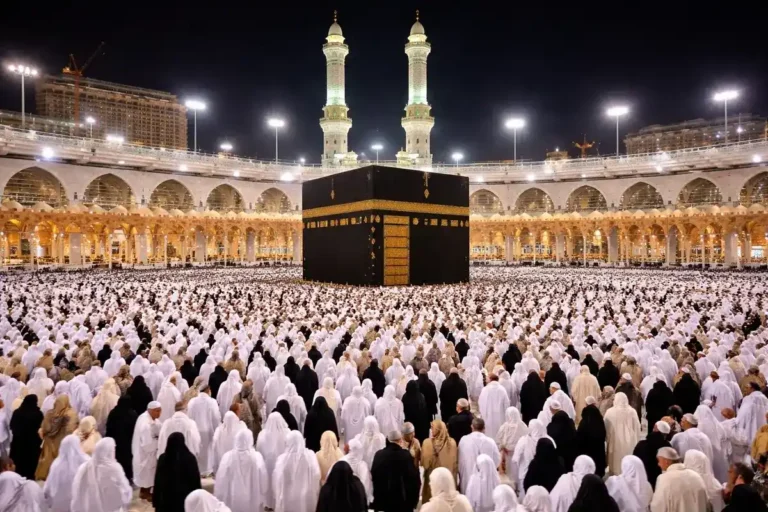
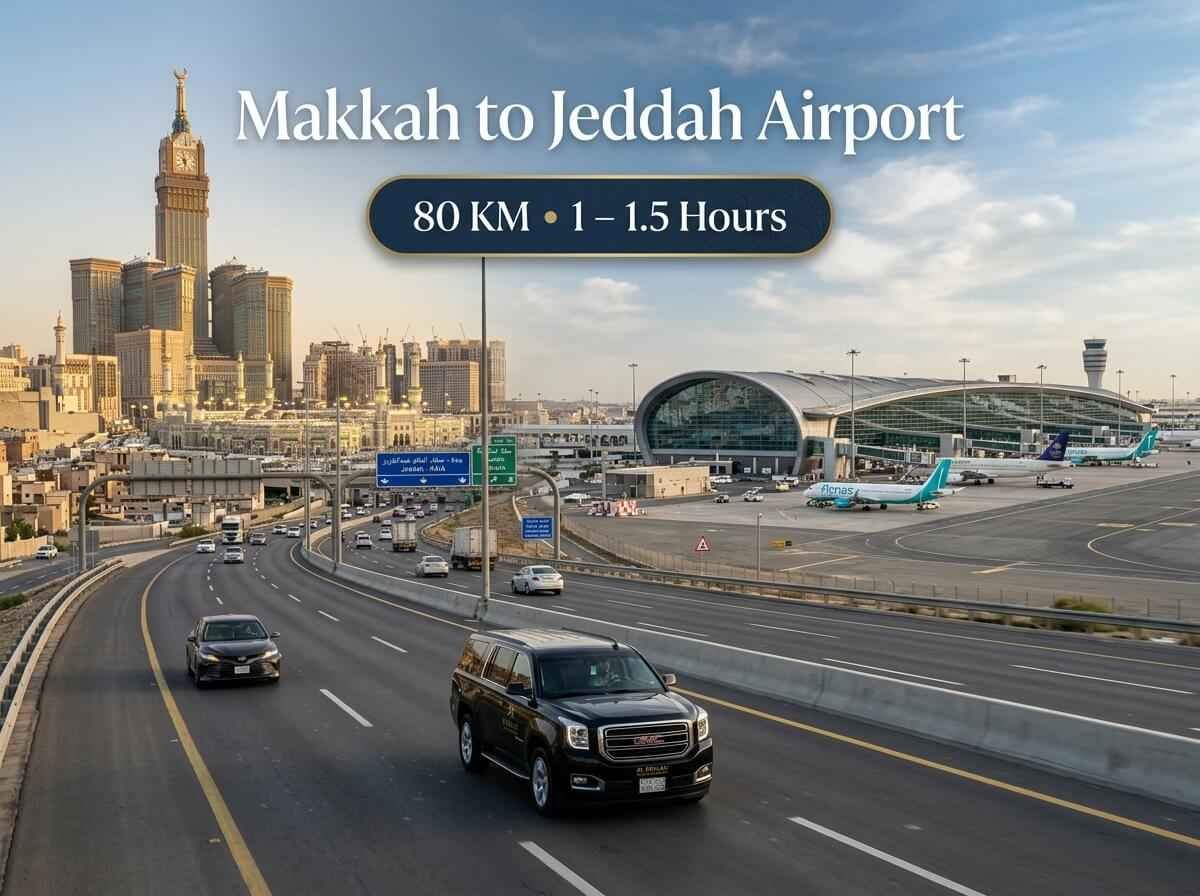
Jeddah Airport (JED) to Makkah Hotel with a Stop at Masjid Ayesha: Can You Do It?
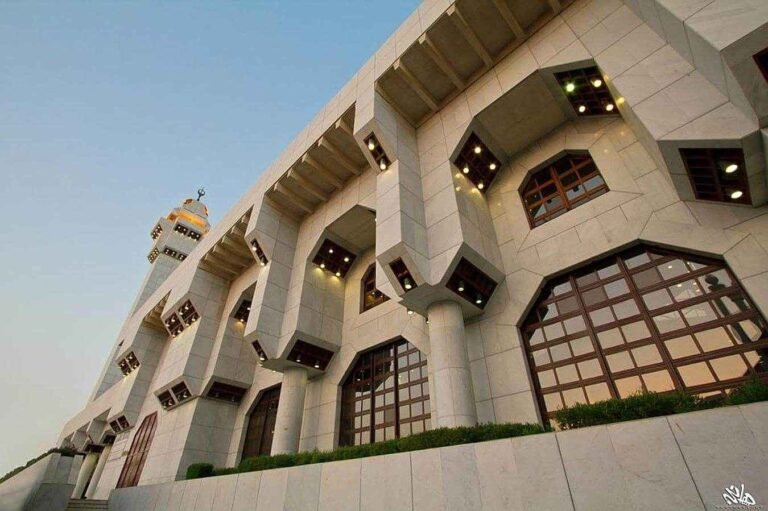
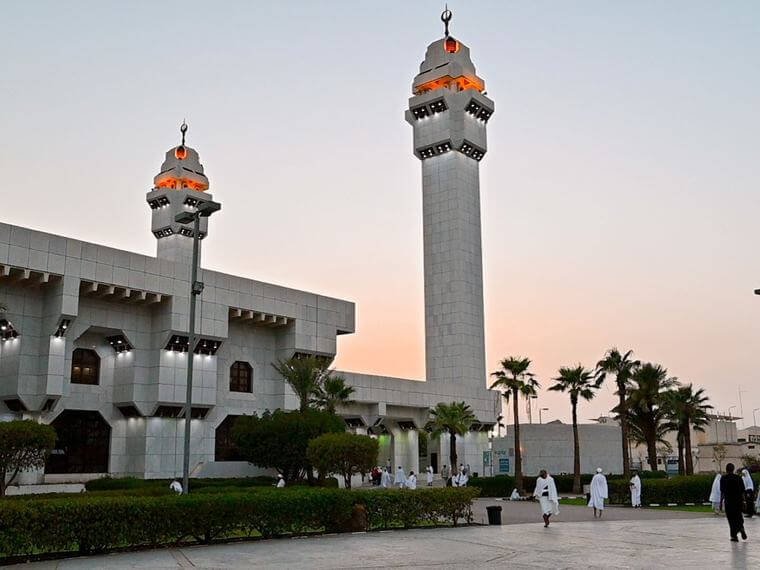
Masjid Ayesha (Masjid Al-Taneem) is where people who are already in Makkah usually enter ihram for an additional Umrah. If you are arriving from outside Saudi Arabia for your first Umrah, you are generally expected to enter ihram at the miqat for your route, not after landing. This guide explains the difference, what a smooth airport-to-hotel transfer looks like, and when a Masjid Ayesha trip does make sense.
This article explains travel logistics and general background. It is not a religious ruling. For your own situation, please ask a qualified scholar or your Umrah operator.
Can You Stop at Masjid Ayesha on the Way from Jeddah Airport?
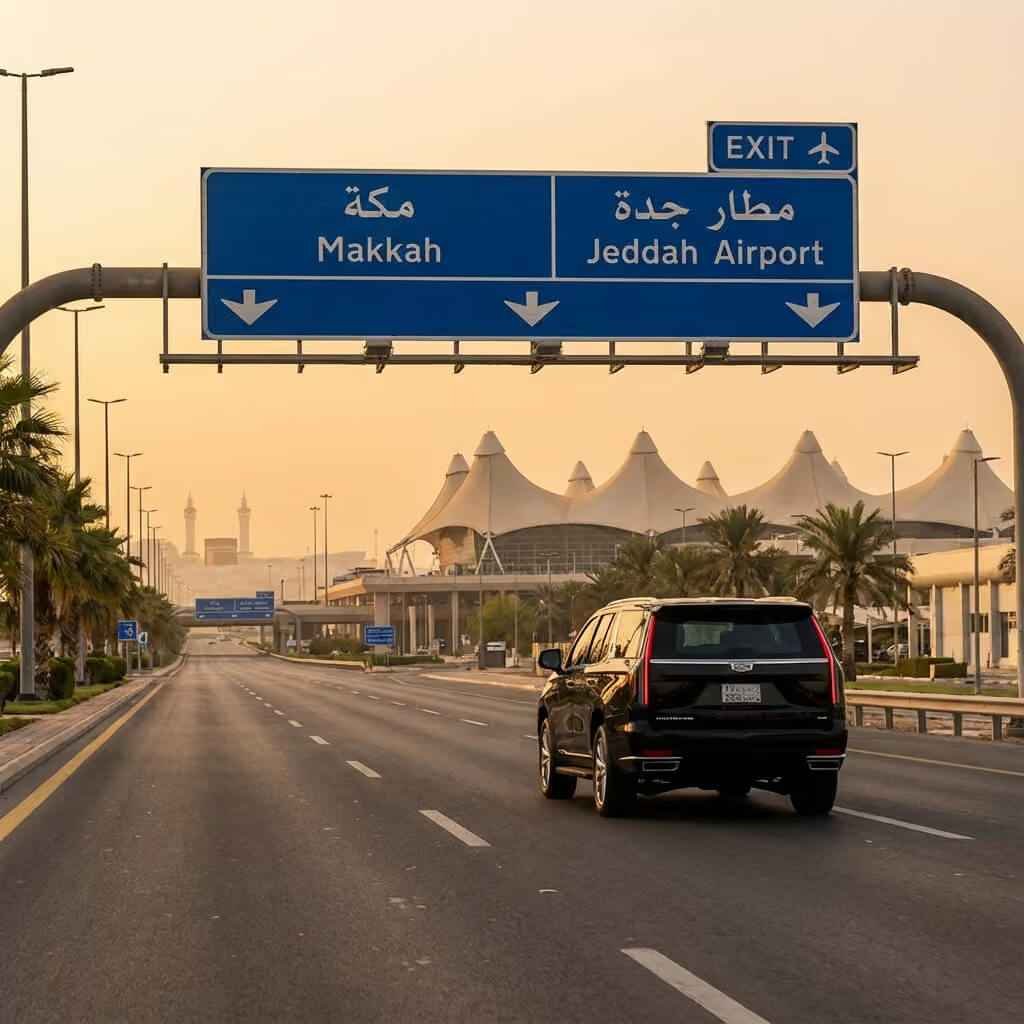
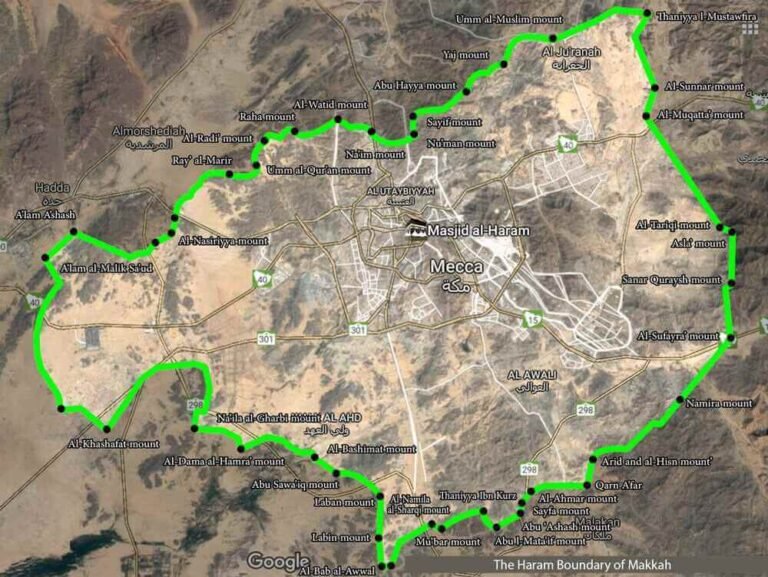
If you landed in Jeddah to perform your first Umrah and you have not yet entered ihram, Masjid Ayesha is generally not the right place to start. Taneem is a point on the edge of the Haram boundary, and it is used by people already living in or staying in Makkah. A first-time arrival is normally meant to enter ihram earlier, at the miqat they pass on the way. Many pilgrims who fly do this on the plane, after changing into ihram clothes before or during the flight.
Two practical points:
- Jeddah itself lies inside the miqat boundaries, so the miqat is usually passed before landing.
- If you reach Jeddah and realise you have not entered ihram, speak to a scholar or your operator at once. Scholars give different guidance on what to do, and that is a decision for them, not a taxi driver.
Where Masjid Ayesha Fits: Your Second Umrah
Masjid Ayesha is named after Aisha (may Allah be pleased with her). In the well-known account, the Prophet (peace be upon him) asked her brother Abdur Rahman to take her to Tan’eem so she could enter ihram for Umrah after Hajj. Because of that, Taneem became the familiar point for people in Makkah who want to perform another Umrah.
In a normal trip it looks like this:
- You enter ihram at the correct miqat on your way to Makkah.
- You land, travel to your hotel, and complete your first Umrah: Tawaf, Sa’i, and Halq or Taqsir.
- Later, once you are rested, you travel to Masjid Ayesha for another Umrah, enter ihram there, pray two rakat, and return to Al-Haram.
That is where a round-trip taxi with the driver waiting becomes useful.
Which Miqat Applies When You Fly to Jeddah?
The miqat depends on the direction you travel from. These are the five standard points:
| Miqat | Usually associated with travelers coming from |
|---|---|
| Dhul Hulayfah (Abyar Ali) | Madinah direction |
| Al-Juhfah (near Rabigh) | Syria, Egypt, North Africa direction |
| Qarn al-Manazil | Najd and Taif direction |
| Yalamlam | Yemen direction and sea routes from South Asia |
| Dhat Irq | Iraq direction |
To clear up a common mix-up: Yalamlam and Juhfah are not places you drive to from Jeddah airport. They are boundary points that mark the direction you travel from. For passengers on international flights, the crew typically announces when the aircraft is approaching or passing the miqat, and many airlines remind passengers to make niyyah. Check with your airline or Umrah operator before you fly.
If you are arriving from Madinah after visiting the Prophet’s Mosque, you would usually enter ihram at Dhul Hulayfah on the road to Makkah, which is a separate arrangement from a Jeddah airport pickup.
What a Jeddah Airport to Makkah Taxi Transfer Looks Like
A good transfer removes the guesswork after a long flight. Here is the usual flow with Masjid Ayesha Taxi:
- Booking. You send your flight number, arrival date, hotel name, passenger count, and bag count by WhatsApp. [VERIFY: booking details required]
- Flight tracking. The driver monitors your flight, so a delay does not leave you stranded. [VERIFY: confirm tracking is offered and how waiting after landing is handled]
- Meeting you at Terminal 1. Terminal 1 is the main international terminal at King Abdulaziz International Airport. Your driver contacts you before landing and meets you after immigration and baggage claim. Confirm your terminal and meeting point at booking, because arrangements can differ by airline and season.
- Loading luggage. Tell the driver how many suitcases you have before arrival. A sedan suits one or two travelers with moderate luggage. A family SUV or mini-van is better for larger groups or many bags.
- The drive to Makkah. The road from Jeddah to Makkah is roughly 80 to 100 km. In normal traffic expect about an hour to an hour and a half, longer during peak Umrah periods, around prayer times, and at checkpoints.
- Hotel drop-off. The driver takes you to your hotel in Makkah, such as near the Clock Tower, Jabal Omar, Kudai, or Aziziyah.
The vehicles are private and air-conditioned, which matters after the flight and the heat outside. Exact vehicle availability depends on the date, so ask when you book.
Realistic Timeline: Landing to Hotel
Immigration and baggage claim vary widely and are the least predictable part. As a planning guide:
| Stage | Typical planning allowance |
|---|---|
| Immigration and baggage claim | Can range from under an hour to several hours at busy times |
| Meeting your driver | A few minutes once you are out |
| Drive to Makkah | Roughly 1 to 1.5 hours, traffic dependent |
| Hotel check-in | Depends on the hotel; early arrivals may wait for rooms |
These are estimates, not promises. Tell your driver your flight number so the pickup follows your actual arrival.
Planning Your Masjid Ayesha Trip After the First Umrah
Once your first Umrah is complete and you have rested, a Taneem trip is straightforward:
- Pickup: from your hotel, at a time you choose.
- Distance: Masjid Ayesha is around 8 km from Al-Haram, and the ride is usually short outside peak hours.
- At the masjid: pilgrims usually freshen up, make niyyah for Umrah, and pray two rakat. The driver waits during this, generally around 15 to 20 minutes, though it can take longer with families or when facilities are busy. [VERIFY: waiting policy]
- Return: back to your hotel, or to Al-Haram to begin Tawaf.
Best times to travel: between prayers, outside the hours right before and after Fajr, Maghrib, and Isha, when roads and the masjid are busiest. Friday and the final days of Ramadan are likely to be especially crowded.
Tips for Families and Elderly Pilgrims
- Ask for a family SUV or mini-van if you have several bags or a wheelchair.
- Tell the driver about mobility needs when booking so he can plan the stop and the drop-off point.
- Keep water, medicines, and documents in your hand luggage, not the boot.
- If you are already wearing ihram, keep your passport, phone, and hotel address easy to reach.
- Allow extra time for the masjid stop. Rushing helps no one.
Documents and Checks Before You Travel
Carry your passport, visa or Umrah permit, hotel booking, and flight details. Requirements change, so check the Nusuk platform and the Saudi Ministry of Hajj and Umrah for the latest rules before you travel.
Book a Round-Trip Taxi with Driver Waiting Included
For your first transfer from Jeddah airport, and again for your Masjid Ayesha trip, Masjid Ayesha Taxi offers private transfers with a patient driver who understands that ihram, niyyah, and prayer can take time. Send your flight number, hotel name, and number of passengers on WhatsApp at +966 57 4915 372, or visit masjidayeshataxi.com to book. Ask for the fare before you confirm so everything is clear from the start.
FAQs
1. Can I enter ihram at Masjid Ayesha after landing at Jeddah airport?
Generally, Masjid Ayesha is for people already in Makkah doing an additional Umrah. A first Umrah is normally started at the miqat for your route. Please confirm your case with a scholar.
2. I forgot to enter ihram on the flight. What should I do?
Contact a qualified scholar or your Umrah operator before continuing. Scholars give different guidance, and the answer can depend on your situation.
3. Is Jeddah a miqat?
Jeddah lies inside the miqat boundaries rather than at one, so most overseas travelers are expected to pass their miqat before landing. Some people have specific rulings for their case, so ask a scholar.
4. Are Yalamlam and Juhfah places I can drive to from the airport?
They are miqat points defined by direction. They are not a normal stop for a Jeddah airport taxi, and a driver cannot decide your miqat for you.
5. How long is the drive from Jeddah airport to Makkah?
Roughly 1 to 1.5 hours in normal traffic. Peak Umrah days and prayer times can add time.
6. Where does the driver meet me?
At the arrivals area of your terminal, usually after you clear immigration and collect your bags. Confirm the meeting point when booking. [VERIFY]
7. What happens if my flight is delayed?
The driver tracks your flight number, so the pickup follows your actual landing time. [VERIFY]
8. How much luggage fits?
It depends on the vehicle. A sedan suits light luggage. A family SUV or mini-van suits larger groups. Tell us your bag count when booking.
9. Can the driver take me to Masjid Ayesha later in my stay?
Yes. Many pilgrims book a round trip from their hotel to Masjid Ayesha and back, with the driver waiting.
10. How long does the driver wait at Masjid Ayesha?
Usually about 15 to 20 minutes for niyyah and two rakat, longer if needed. Confirm the waiting policy when booking. [VERIFY]
11. Can I return to Al-Haram directly from Masjid Ayesha?
Yes. You can ask to be dropped at the Haram area or at your hotel. Traffic and access restrictions near Al-Haram may affect the exact drop-off point.
12. Is the taxi suitable for elderly pilgrims?
Private, air-conditioned transfers avoid crowded public transport. Tell the driver about mobility needs when booking.
13. How do I book?
Message +966 57 4915 372 on WhatsApp with your flight, hotel, passenger count, and bag count.
14. Does the price depend on the vehicle and time?
Fares depend on the vehicle, route, and timing. Ask for the fare in writing before confirming.