Masjid Al-Haram: The Complete Guide to Islam’s Holiest Mosque in Makkah
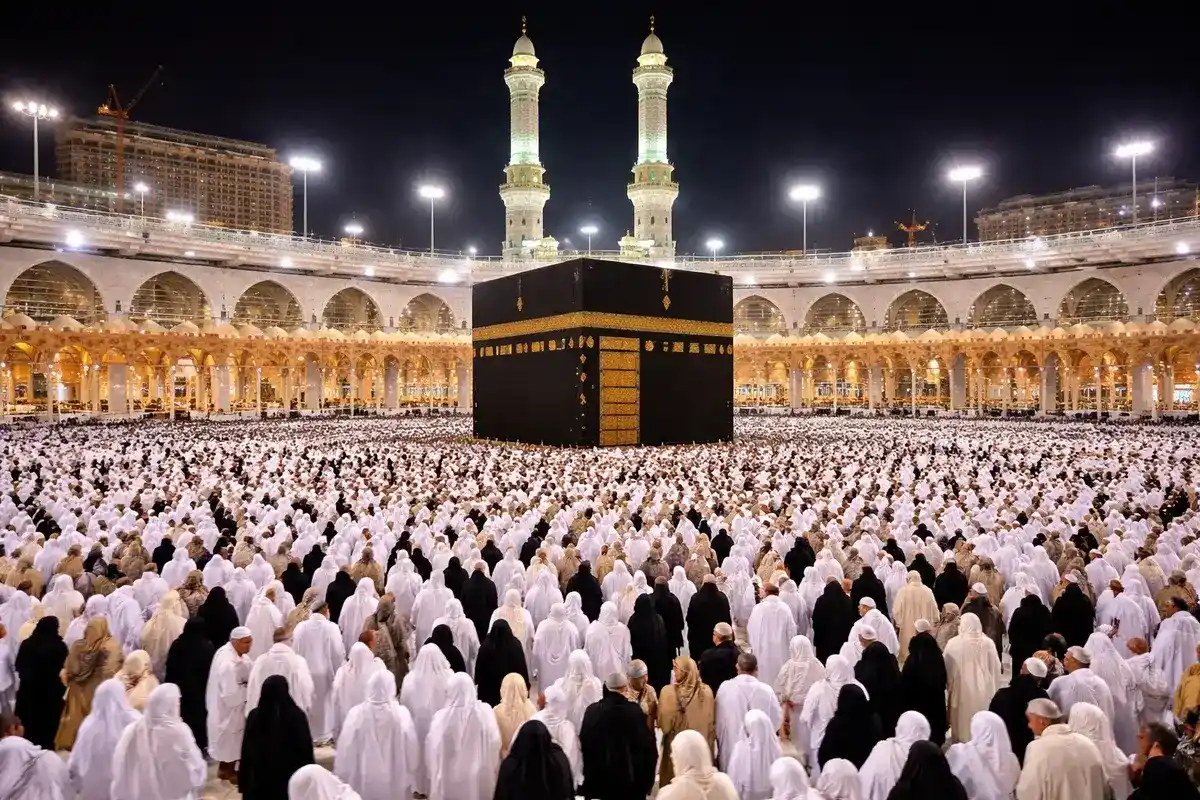
Masjid Al-Haram — known in English as the Grand Mosque or the Holy Mosque — is the largest mosque in the world and the holiest site in Islam. Located in the heart of Makkah al-Mukarramah, Saudi Arabia, it surrounds the Kaaba, the direction every Muslim faces in prayer. Millions of pilgrims travel here each year to perform Umrah and Hajj, making it one of the most visited religious sites on earth.
This guide covers what Masjid Al-Haram is, its history and structure, how to navigate it, and – for pilgrims already in Makkah who wish to perform an additional Umrah — how the journey to a Miqat point like Masjid Ayesha fits into the experience.
What Is Masjid Al-Haram?
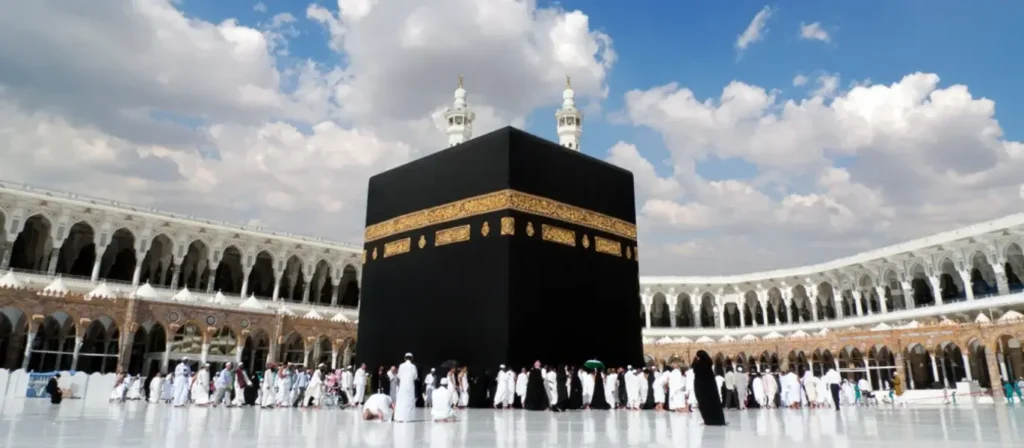
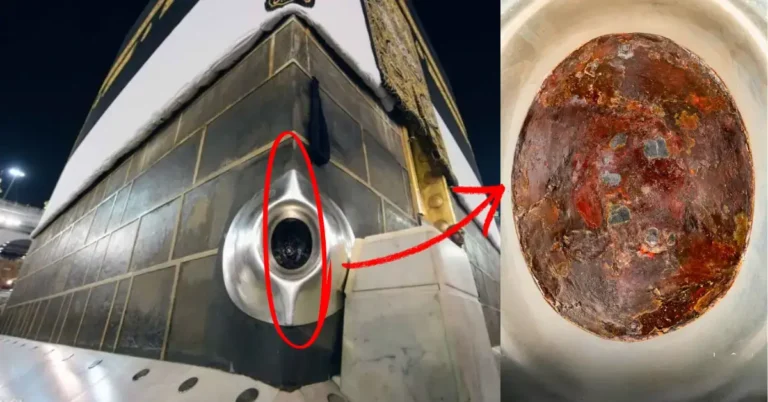
Masjid Al-Haram (المسجد الحرام), literally “the Sacred Mosque,” is built around the Kaaba, the cube-shaped structure Muslims believe was rebuilt by the Prophet Ibrahim (Abraham) and his son Ismail. It is considered the first house of worship dedicated to the oneness of God, and it is the qibla — the direction of prayer — for Muslims worldwide.
The mosque is also home to the Zamzam Well, a spring located near the Kaaba whose water holds deep spiritual significance for pilgrims, and it encloses the Mas’a, the area where pilgrims walk between the hills of Safa and Marwah as part of Sa’i during Umrah and Hajj.
Location: Where Is Masjid Al-Haram?
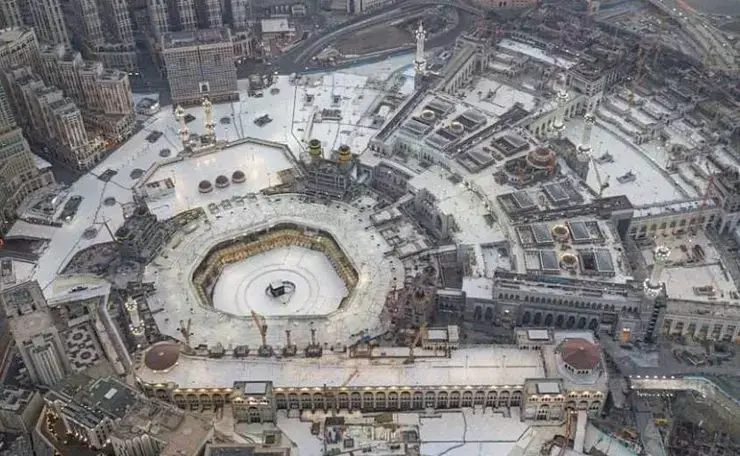
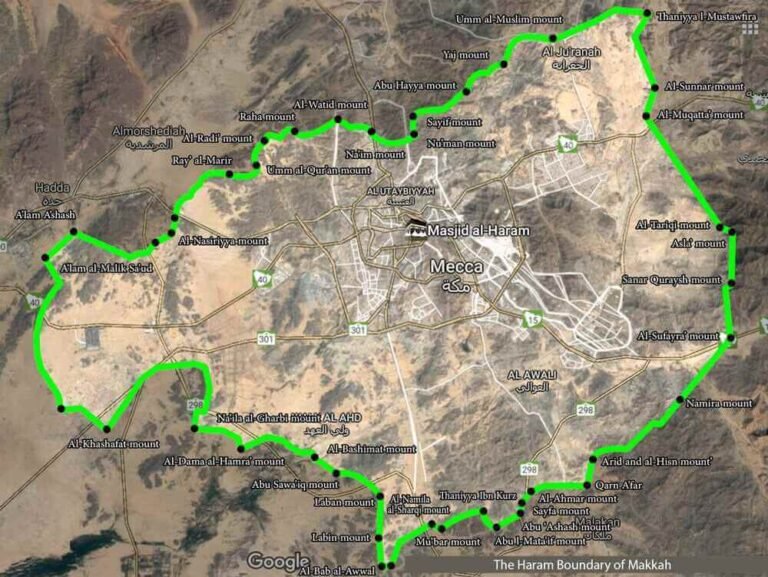
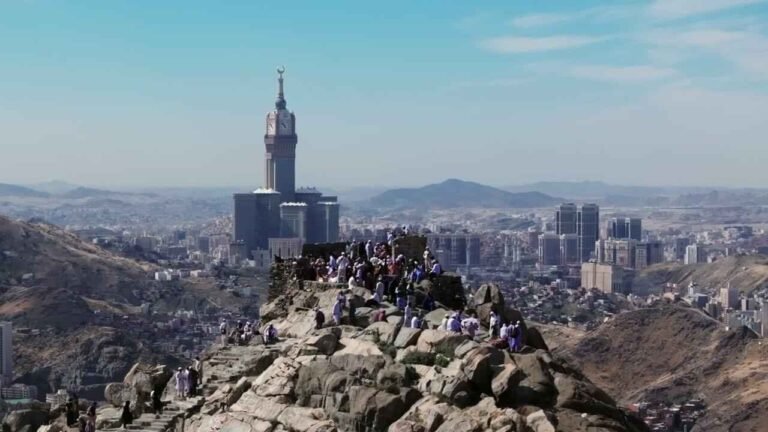
Masjid Al-Haram sits in central Makkah, in the Makkah Region of western Saudi Arabia. The mosque complex is surrounded by hotel districts, with many properties in areas like Ajyad, Ibrahim Khalil Road, and the vicinity of the Clock Tower (Abraj Al Bait) offering walking access to the Haram. The wider Haram area — the sanctuary boundary around Makkah — extends well beyond the mosque itself and marks the zone within which certain religious rules apply to those in a state of Ihram.
Size and Capacity of Masjid Al-Haram
Masjid Al-Haram has been expanded many times throughout Islamic history to accommodate growing numbers of worshippers. The most significant modern expansion, the King Fahd Extension, dramatically increased the mosque’s prayer space, courtyards, and surrounding facilities. Today, the mosque — including its outdoor prayer areas — can accommodate well over a million worshippers during peak seasons such as Ramadan and Hajj, making it the largest mosque in the world by capacity.
Gates of Masjid Al-Haram
The mosque has dozens of gates, with the King Fahd Gate among the most well-known and frequently used entry points by visitors and pilgrim groups. Gates are numbered and named, and hotels close to the Haram typically direct guests to the nearest gate based on their room location. First-time visitors are encouraged to note their entry gate number, as the scale of the mosque makes it easy to lose track of the original entry point after prayer.
A Brief History of Masjid Al-Haram
Islamic tradition holds that the Kaaba’s foundations were originally raised by the Prophet Ibrahim and his son Ismail, making it, in Islamic belief, one of the earliest structures built for the worship of one God. Over the centuries, the mosque surrounding the Kaaba has been rebuilt and expanded repeatedly — from early Islamic-era construction through Ottoman-period renovations to the large-scale Saudi expansions of the 20th and 21st centuries, including the King Fahd Extension and more recent modernization projects. Nearby, Jannatul Mu’alla, one of the oldest and most significant cemeteries in Islamic history, holds the graves of several of the Prophet Muhammad’s ﷺ family members and companions, and remains a place many visitors pass by while exploring historic Makkah.
Other Notable Mosques Near Al-Haram
Beyond the Grand Mosque itself, Makkah is home to several other mosques with historical significance that visitors often ask about:
- Masjid Ghamama — associated with early Islamic history in the region.
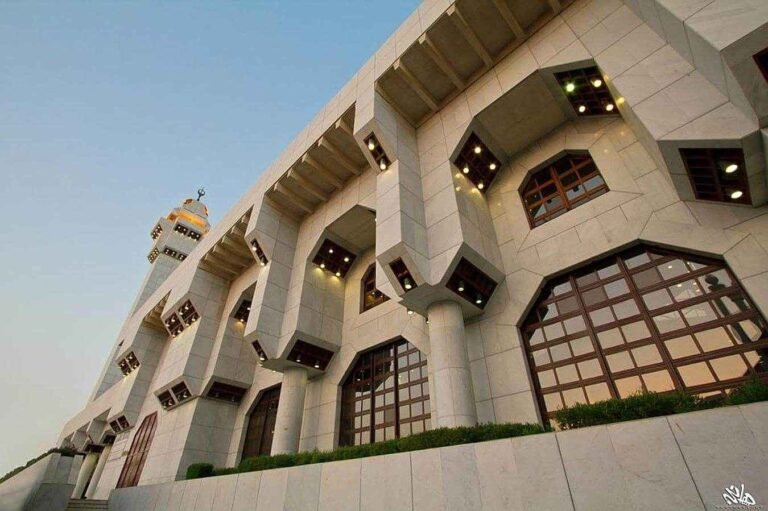
- Masjid Al-Rajhi (Aisha Al-Rajhi Mosque) — a notable contemporary mosque in Makkah.
- Furqan Grand Mosque — another well-known mosque referenced by visitors researching the area.
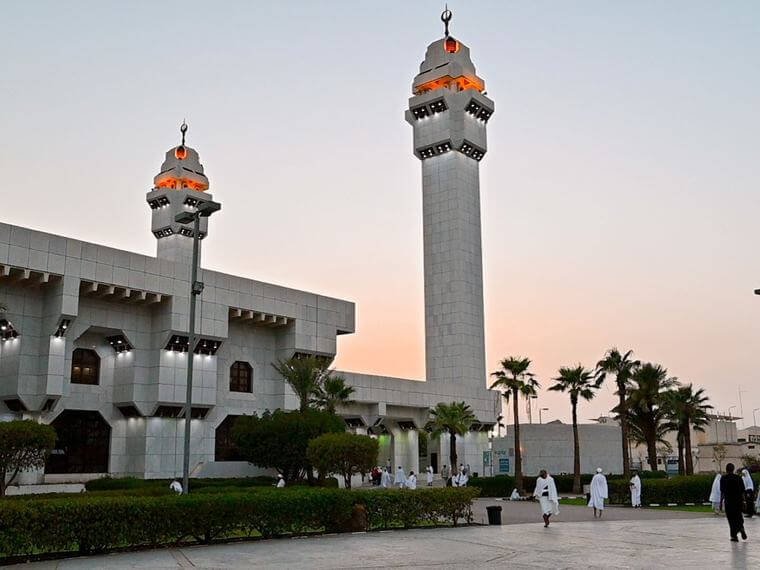
- Masjid Ayesha (Masjid Al-Taneem) — one of the Miqat points nearest to central Makkah, discussed in detail below.
Masjid Al-Haram and the Miqat: What Pilgrims Staying in Makkah Need to Know
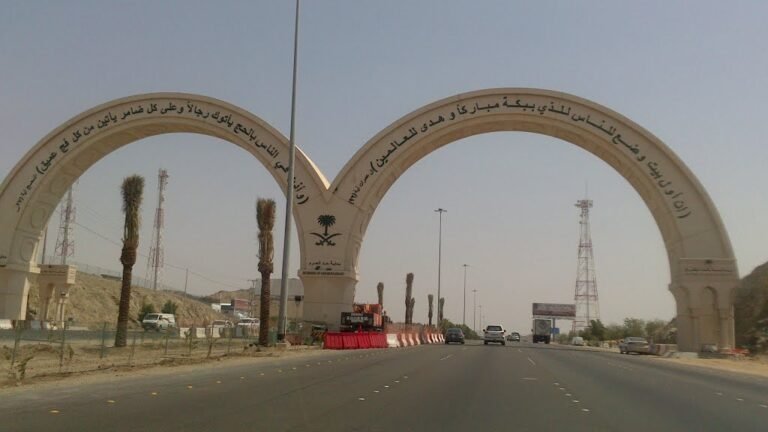
Pilgrims who are already inside Makkah — for example, those who completed their first Umrah and are staying in a hotel near Al-Haram — cannot simply begin a second Umrah from inside the Haram boundary. Islamic guidance requires that Ihram be entered from a Miqat, a designated boundary point, before starting a new Umrah.
For residents and visitors already within Makkah, the nearest Miqat is Masjid Ayesha (Masjid Al-Taneem), named after a hadith describing Hazrat Ayesha (may Allah be pleased with her) being sent there by the Prophet Muhammad ﷺ to enter Ihram for Umrah. This makes Masjid Ayesha the standard, practical starting point for anyone in Makkah who wishes to perform an additional Umrah before returning to Masjid Al-Haram to complete Tawaf and Sa’i.
The typical journey looks like this:
- Depart from your Makkah hotel already in Ihram clothing or ready to change on arrival.
- Travel to Masjid Ayesha (Taneem) to enter Ihram — this involves making Niyyah (intention) and praying two Rakat Sunnah of Ihram.
- Return to Masjid Al-Haram to perform Tawaf around the Kaaba, followed by Sa’i between Safa and Marwah, and Halq or Taqsir (hair cutting/trimming) to complete the Umrah.
This is where transportation becomes a practical concern, especially for families, elderly travelers, and those unfamiliar with Makkah’s traffic patterns and prayer-time congestion.
Getting to Masjid Ayesha and Back to Al-Haram
Public transport and shared rides between a Makkah hotel, Masjid Ayesha, and back to Al-Haram can involve waiting, crowding, and uncertainty about timing — particularly difficult when you’re managing Ihram clothing, elderly family members, or young children. A private, door-to-door taxi transfer removes much of that friction:
- Hotel pickup at a time that fits your schedule, avoiding peak prayer-time congestion where possible.
- A short stop at Masjid Ayesha to enter Ihram and pray the two Rakat Sunnah, with the driver waiting rather than requiring a second booking.
- Direct return to Masjid Al-Haram or back to your hotel, depending on your preference.
- Air-conditioned, private vehicles that are more comfortable for elderly travelers and families than shared transport.
Masjid Ayesha Taxi provides exactly this service for pilgrims staying in Makkah: a private round-trip transfer between your hotel, Masjid Ayesha, and Al-Haram, with the driver waiting during your brief stop at the Miqat.
Book a Round-Trip Taxi with Driver Waiting Included — message +966 57 4915 372 on WhatsApp or visit masjidayeshataxi.com to arrange your transfer.
Tips for Visiting Masjid Al-Haram
- Know your gate number. With so many entrances, note the gate and area you entered from to make finding your way back easier.
- Plan around prayer times. The mosque becomes extremely crowded in the window before and during each of the five daily prayers.
- Stay hydrated with Zamzam water, available at dispensers throughout the mosque.
- Dress modestly and be mindful of designated prayer areas for men and women.
- For a second Umrah, plan your Miqat trip in advance. Arranging private transport to Masjid Ayesha ahead of time avoids delays, especially during busy Umrah seasons.
FAQs
1. What is Masjid Al-Haram?
Masjid Al-Haram is the largest mosque in the world and Islam’s holiest site, located in Makkah, Saudi Arabia, surrounding the Kaaba.
2. Where is Masjid Al-Haram located?
It is located in central Makkah, in the Makkah Region of western Saudi Arabia, surrounded by hotel districts and the wider Haram sanctuary boundary.
3. How big is Masjid Al-Haram?
Following expansions including the King Fahd Extension, Masjid Al-Haram can accommodate well over a million worshippers during peak periods such as Ramadan and Hajj.
4. What is the King Fahd Gate?
The King Fahd Gate is one of the main, well-known entry points into Masjid Al-Haram, commonly used by pilgrims and tour groups.
5. What is inside Masjid Al-Haram?
The mosque encloses the Kaaba, the Zamzam Well, and the Mas’a — the walkway between Safa and Marwah used during Sa’i.
6. What is the significance of the Zamzam Well?
The Zamzam Well is located within the Haram and holds deep spiritual significance for Muslims; its water is available to pilgrims throughout the mosque.
7. What is Jannatul Mu’alla?
Jannatul Mu’alla is a historic cemetery near Masjid Al-Haram associated with several of the Prophet Muhammad’s ﷺ family members and companions.
8. Can I start a second Umrah from inside Masjid Al-Haram?
No. Ihram for a new Umrah must be entered from a Miqat point outside the Haram boundary — for those already in Makkah, the nearest Miqat is Masjid Ayesha (Taneem).
9. What is Masjid Ayesha and why is it important?
Masjid Ayesha, also called Masjid Al-Taneem, is the Miqat nearest to central Makkah, where pilgrims already in the city enter Ihram before performing an additional Umrah.
10. How do I get from my Makkah hotel to Masjid Ayesha and back to Al-Haram?
Many pilgrims arrange a private taxi that picks them up at their hotel, waits at Masjid Ayesha while they enter Ihram, and then drops them at Masjid Al-Haram or back at the hotel.
11. Does the driver wait at Masjid Ayesha while I enter Ihram?
With Masjid Ayesha Taxi’s private round-trip service, the driver waits during your stop at Masjid Ayesha so you don’t need to arrange separate transport for the return leg.
12. Is private transport better than public transport for elderly or family travelers?
A private, air-conditioned vehicle avoids the crowding and waiting associated with shared or public transport, which can be more difficult for elderly travelers, families, and those managing Ihram clothing.
13. What are other notable mosques near Masjid Al-Haram?
Nearby mosques of interest include Masjid Ghamama, Masjid Al-Rajhi, and Furqan Grand Mosque, alongside Masjid Ayesha as a Miqat point.
14. What should I know before visiting Masjid Al-Haram for the first time?
Note your entry gate number, plan around the five daily prayer times, stay hydrated with Zamzam water, and dress modestly.
15. How do I book a taxi to Masjid Ayesha?
Contact Masjid Ayesha Taxi via WhatsApp at +966 57 4915 372 or through masjidayeshataxi.com to arrange a private round-trip transfer.