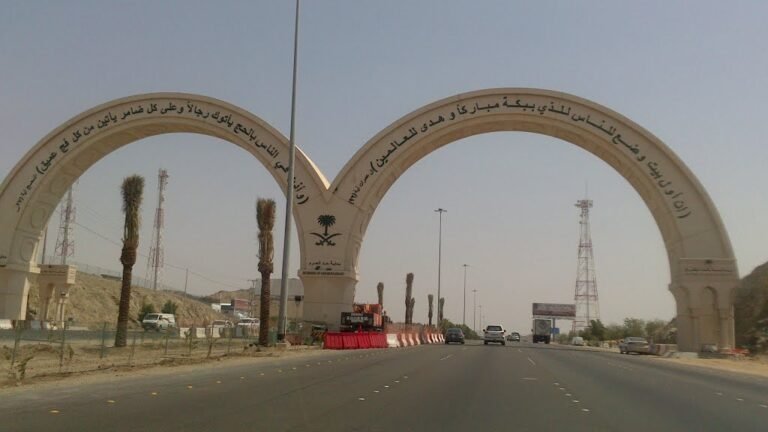
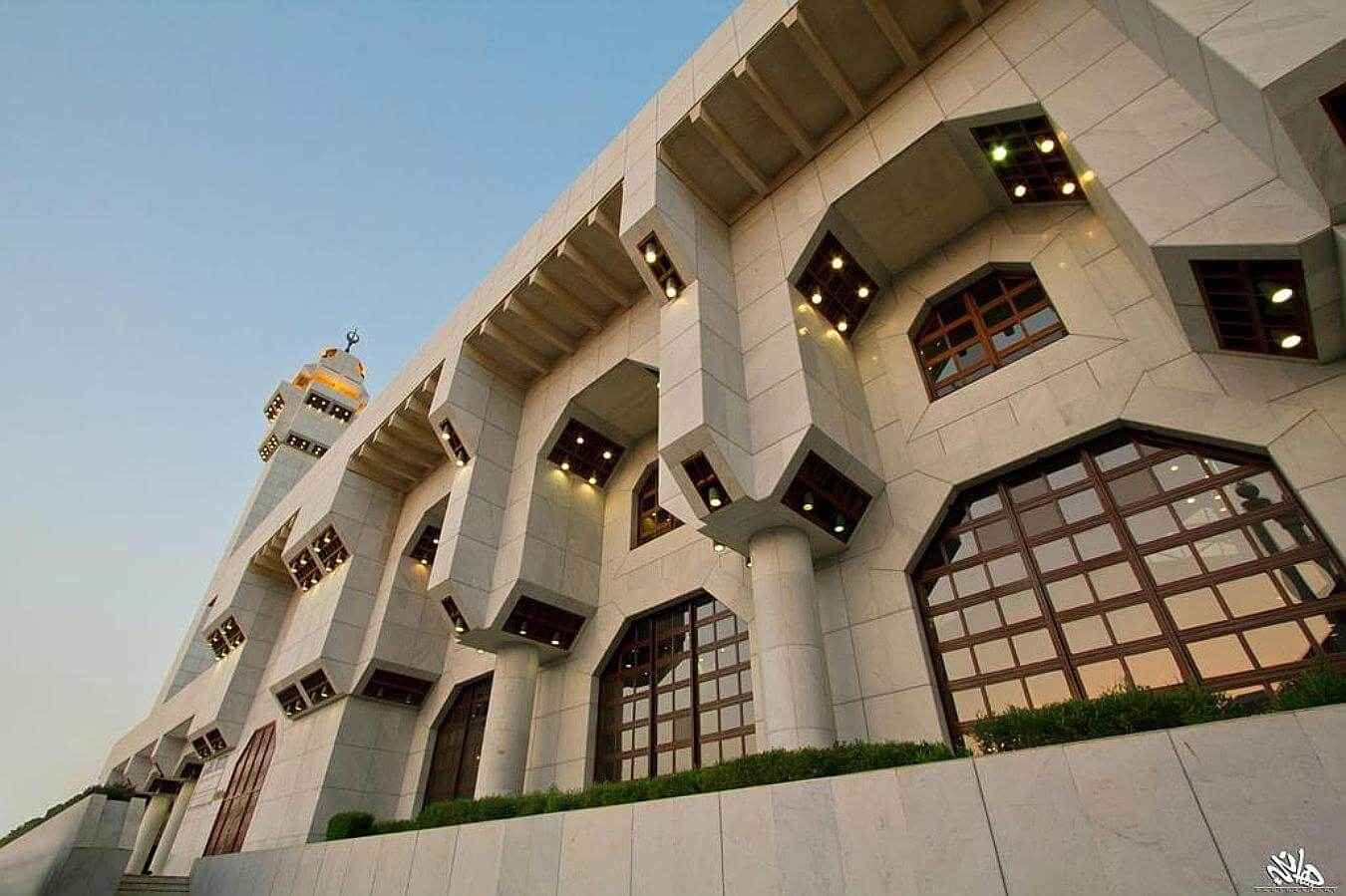
Masjid Jurana vs Masjid Ayesha: Which Ihram Point Should You Choose from Makkah?
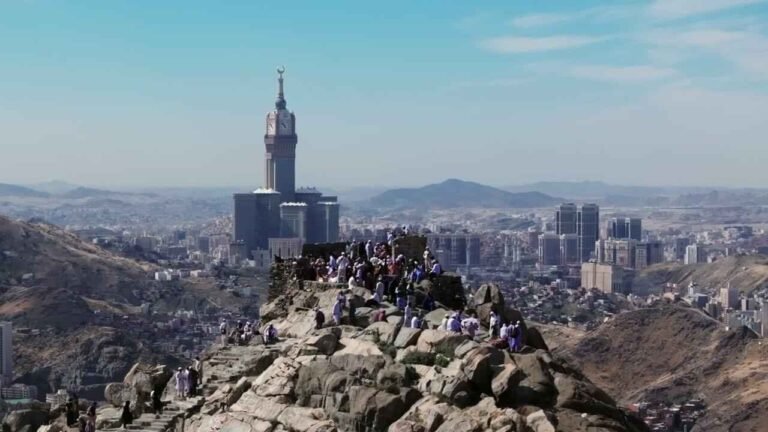
If you are already in Makkah and want to perform another Umrah, you will hear two names: Masjid Ayesha and Masjid Jurana (also written Ji’ranah). Both are places where people outside the Haram boundary enter Ihram. They are very different trips, though. One is a short ride from most hotels. The other is a longer journey with its own history.
This guide explains the difference in plain language, so you can plan your day with confidence.
Quick answer: Masjid Ayesha (Masjid Al-Taneem) is the nearest and most commonly used Ihram point for pilgrims already in Makkah. Masjid Jurana (Ji’ranah) is farther away and is where the Prophet ﷺ entered Ihram for Umrah after the Battle of Hunayn. Both lie outside the Haram boundary. For rulings on which is better for your situation, please ask a qualified scholar.
What are Masjid Ayesha and Masjid Jurana?
People arriving from abroad enter Ihram at a Miqat before reaching Makkah. Once you are inside Makkah, the situation is different. Residents of the Haram area, and visitors who are already there, step outside the Haram boundary and enter Ihram from there. Masjid Ayesha and Masjid Jurana are two well-known places to do that.
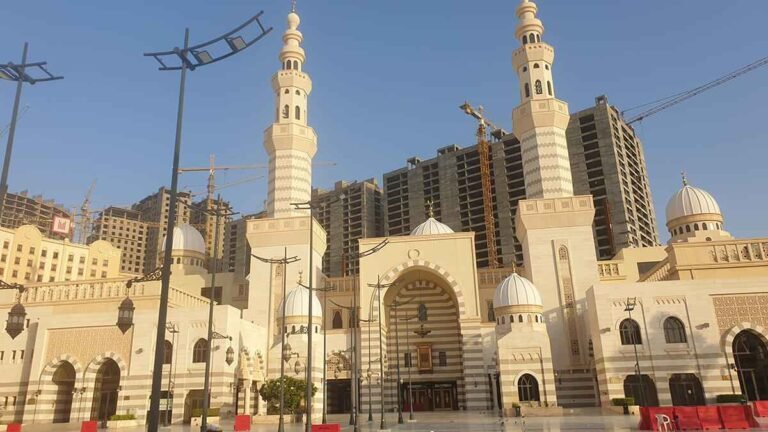
Masjid Ayesha (Masjid Al-Taneem)
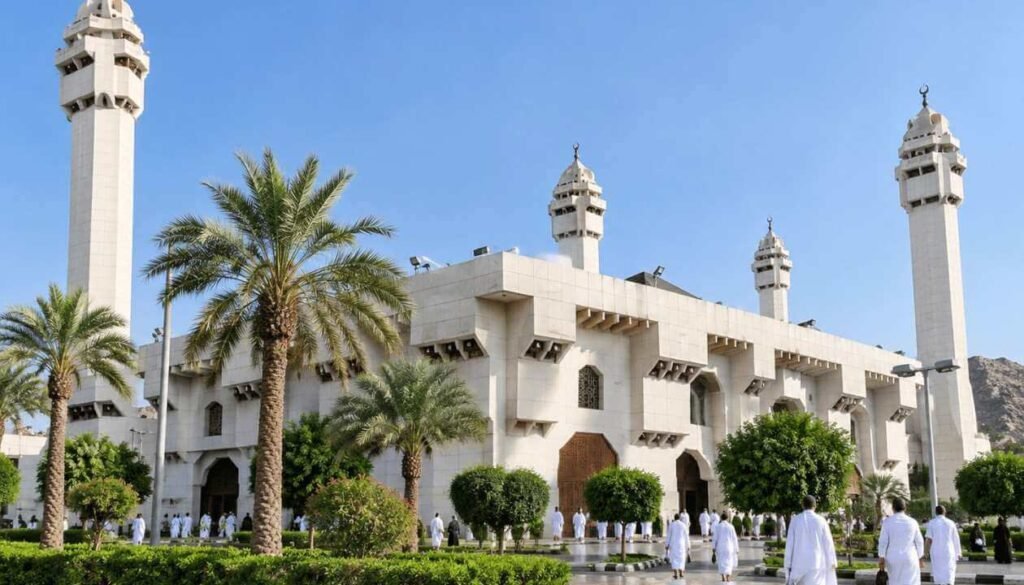
Masjid Ayesha is also called Masjid Al-Taneem or Masjid Tan’eem. It stands on the road toward Madinah, at the edge of the Haram boundary. Most sources place it roughly 7–8 km from Al-Masjid al-Haram, and around 5 km from the edge of the city.
It is the mosque associated with Aisha (R.A.). The Prophet ﷺ instructed her brother Abdur-Rahman ibn Abi Bakr to accompany her to At-Tan’im so she could perform Umrah (Tirmidhi 934). This is why it carries her name.
Today it is the most popular choice for a second Umrah, because it is the closest point. The area around it is busy, with shops, restrooms and washing facilities. Taxis come and go all day.
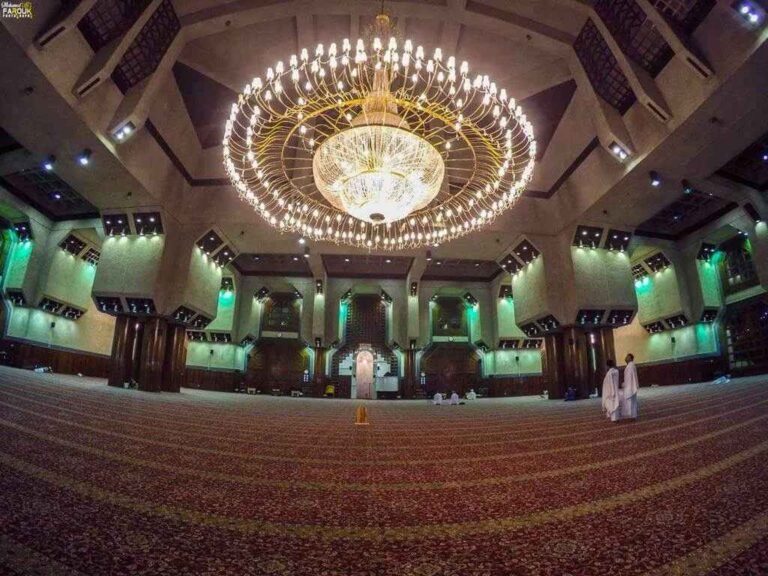
Masjid Jurana (Ji’ranah)
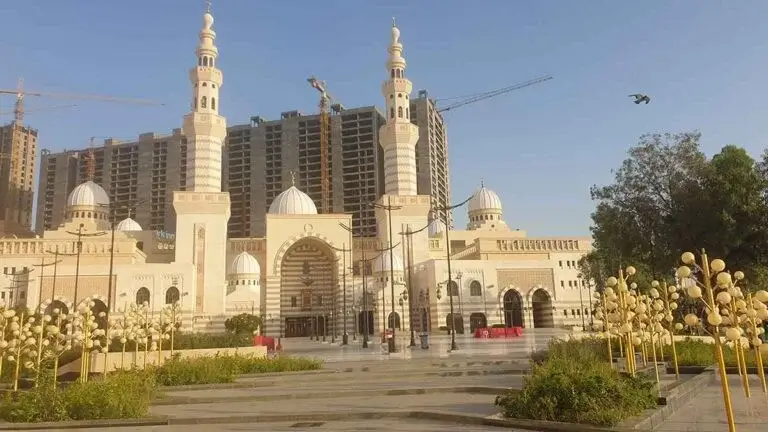
Masjid Ji’ranah is farther from the city, on the side of the road toward Taif. Distances are quoted differently depending on where you start measuring. Some sources say about 14 km from Makkah. Others say about 20 km, and others about 24–25 km from Al-Masjid al-Haram. The shorter figures measure from the city edge. The longer ones measure from the Haram itself.
It is linked to the year 8 AH. After the Battle of Hunayn, the Prophet ﷺ stopped at Ji’ranah and then left from there for Umrah. A narration in Tirmidhi (935) mentions him leaving Ji’ranah at night and entering Makkah to perform his Umrah. For many pilgrims, that connection is the reason they choose to go.
Some scholars and commentators describe Umrah from Ji’ranah as the “major” Umrah and from Tan’eem as the “minor” one, simply because of the difference in distance. This is a description of distance, not a ruling on whose Umrah is valid.
Side-by-Side Comparison
| Masjid Ayesha (Tan’eem) | Masjid Jurana (Ji’ranah) | |
|---|---|---|
| Also written | Aisha, Aaisha, Taneem, Tanim | Jirana, Jiranah, Ji’irrana |
| Distance from Al-Masjid al-Haram | About 7–8 km | About 20–25 km (some sources say 14 km from city edge) |
| Direction | Toward Madinah road | Toward Taif road, north-east |
| Typical one-way ride | Around 15 minutes from many hotels in light traffic | Roughly 30–45 minutes in light traffic (planning estimate) |
| Link to the Prophet ﷺ | Aisha (R.A.) entered Ihram here by his instruction | The Prophet ﷺ entered Ihram here after Hunayn |
| Crowd level | Often busy, especially after prayers and in peak season | Usually quieter |
| Best for | Short, simple second Umrah | Pilgrims who want the longer journey and have time |
| Easier for elderly travelers | Yes, because of the shorter ride | Possible, but plan rest stops |
Travel times are planning guides. Traffic, prayer times and season change them.
Distance and Travel Time: What to Expect
Tan’eem is close enough that many pilgrims can finish the full round trip, including niyyah and two rakat, in a fairly short window. Reports from Indonesian pilgrim coverage describe about 15 minutes by car from hotel areas to Tan’eem. That is a typical figure, not a promise.
Ji’ranah takes noticeably longer. Even in light traffic, expect a much longer drive each way, and add time for parking, wudu and prayer. If you are traveling during Ramadan, Hajj season or Friday afternoons, give yourself extra time.
The most useful way to think about it is total time, not distance. For Tan’eem, a round trip often fits comfortably between two prayers. For Ji’ranah, plan on a larger part of your day.
Which One Should You Choose?
The Islamic ruling on where you may enter Ihram is a question for a qualified scholar. What we can help with is the practical side. Here is how most pilgrims decide:
- You have limited time or energy: Masjid Ayesha is usually the practical option.
- You are traveling with elderly parents or small children: A shorter ride means fewer comfort stops. Masjid Ayesha is generally easier.
- You want to follow the place where the Prophet ﷺ entered Ihram for Umrah: Many pilgrims choose Ji’ranah for this reason, and they plan a longer outing.
- You want a quieter experience: Ji’ranah tends to be less crowded, though busy times still exist.
- You are doing Umrah more than once during your stay: Ask a scholar about frequency. Scholars differ on how often repeating Umrah from Tan’eem is advised, so it is worth getting guidance before you go.
Both lie outside the Haram boundary, and both are widely used. Neither is “wrong” as a place to enter Ihram from Makkah. If you were told only one is correct, ask for the evidence and then confirm with a scholar you trust.
Step-by-Step: Masjid Ayesha by Private Taxi
- Prepare at the hotel. Many pilgrims put on their Ihram clothing at the hotel and bring a small bag with a change of clothes, wipes and water. Make your niyyah at the mosque, not in the car.
- Pickup. Your driver meets you at the hotel lobby or the nearest accessible point. Areas such as Abraj Al Bait, Jabal Omar, Kudai and Aziziyah are common pickup zones.
- Ride to Masjid Ayesha. The ride is usually short. Ask the driver to avoid the busiest roads right after prayers.
- Niyyah and two rakat. Your driver waits while you enter the mosque, make your niyyah and pray. A wait of about 15–20 minutes is typical with Masjid Ayesha Taxi, and you can ask for more if you need it.
- Return. Choose to be dropped at your hotel or at the closest safe point to Al-Masjid al-Haram so you can begin Tawaf.
- After Sa’i. Complete Halq or Taqsir to finish.
Step-by-Step: Masjid Jurana by Private Taxi
The flow is the same, but you should plan more carefully.
- Confirm availability first. Message the service on WhatsApp and ask whether Ji’ranah trips can be arranged for your date.
- Go early or off-peak. The longer route is easier outside prayer rush hours.
- Plan for rest. For elderly passengers, ask for a quick stop on the way if needed.
- Allow longer at the mosque. Wudu, restrooms and prayer take time. Tell the driver your expected wait when booking.
- Choose your drop-off. As with Tan’eem, you can ask for the hotel or the Haram side.
Timing and Traffic Tips
- Leave right after a prayer ends or in the quiet period between prayers, when many people are inside the mosque and roads are calmer.
- Avoid the half-hour or so around Maghrib and Isha, when roads near the Haram fill quickly.
- On Fridays, allow much more time around Jumu’ah.
- In Ramadan and Hajj season, book ahead and expect slower roads everywhere.
Family and Elderly Considerations
- Vehicle choice: Sedans suit one or two people. Family SUVs and mini-vans (such as a Hiace or Staria) give more luggage room and easier seating.
- Mobility: Ask for pickup as close to the hotel door as the road allows. Tell the driver if you will use a wheelchair, so there is room to load it.
- Cool vehicle: Air-conditioning helps, especially for older passengers already in Ihram.
- Children: Bring water and a small snack. Plan for a restroom stop before you start Tawaf.
- Pace: Do not rush niyyah and prayer. Tell the driver if you need extra minutes.
Ihram Clothing During the Transfer
Pack a spare towel and a small bag. Keep your Ihram belt secure and your documents in a pouch. Do not use scented products after entering Ihram. If you are unsure about any Ihram restriction, ask a qualified person before you travel.
How to Book a Private Taxi
Masjid Ayesha Taxi offers private, air-conditioned transfers from Makkah hotels to Masjid Ayesha, with the option to return to your hotel or to Al-Haram. Drivers understand that prayer times and Ihram preparation can change the plan.
- WhatsApp: +966 57 4915 372
- Website: https://masjidayeshataxi.com/
Send your hotel name, number of passengers and preferred time. If you want a trip to Ji’ranah instead, ask when you message. Then you can book a round-trip taxi with driver waiting included and focus on your worship.
Final Thoughts
Masjid Ayesha and Masjid Jurana are both respected places to enter Ihram from Makkah. The difference is mostly time, distance and what matters to you. For most people on a busy schedule, Masjid Ayesha is the practical choice. For those who want the longer journey tied to the Prophet’s ﷺ Ji’ranah Umrah, Masjid Jurana is worth planning for. For any question about which is better in your case, speak to a qualified scholar.
FAQs
1. What is the difference between Masjid Jurana and Masjid Ayesha?
Masjid Ayesha (Tan’eem) is the closest Ihram point to Al-Masjid al-Haram. Masjid Jurana (Ji’ranah) is farther away and is where the Prophet ﷺ entered Ihram after Hunayn.
2. Which is closer to the Haram?
Masjid Ayesha. It is about 7–8 km from Al-Masjid al-Haram, while Ji’ranah is commonly given as about 20–25 km.
3. Why do some sources say Ji’ranah is 14 km?
Those figures measure from the edge of Makkah, not from the Haram itself. That is why you see three different numbers.
4. Can I enter Ihram at Masjid Ayesha for Umrah if I am already in Makkah?
Pilgrims in Makkah commonly step outside the Haram boundary for this, and Masjid Ayesha is the best-known place. For a ruling on your specific situation, ask a qualified scholar.
5. Is Ji’ranah better than Tan’eem?
It is a different choice, not automatically a better one. Both are outside the Haram. Ji’ranah has a direct link to the Prophet’s ﷺ Umrah, and Tan’eem is closer and easier. For a ruling, consult a scholar.
6. How long does it take to reach Masjid Ayesha from a hotel?
Often around 15 minutes in light traffic, though prayer times and crowds can make it longer.
7. How long does it take to reach Ji’ranah?
Expect noticeably longer than Tan’eem, roughly 30–45 minutes one way as a planning estimate. Ask your driver for a current estimate.
8. Will the taxi wait while I make niyyah and pray two rakat?
With Masjid Ayesha Taxi, the driver waits, typically about 15–20 minutes, and you can ask for more time when booking.
9. Can the taxi take me back to Al-Haram instead of my hotel?
Yes. You can choose a hotel drop-off or a return toward Al-Masjid al-Haram to begin Tawaf.
10. Is Masjid Ayesha suitable for elderly pilgrims?
The short ride makes it easier than Ji’ranah. A private air-conditioned vehicle with hotel pickup helps further.
11. Can I wear Ihram in the taxi?
Many pilgrims put on their Ihram clothing at the hotel and make their niyyah at the mosque. Please check with a scholar for details on when Ihram begins.
12. Does the taxi service go to Ji’ranah?
Ask on WhatsApp at +966 57 4915 372 before you plan, so the team can confirm for your date.
13. What is the best time of day to travel?
Quiet periods between prayers are usually easier. Avoid the hour around Maghrib and Isha, Friday Jumu’ah and peak days in Ramadan.
14. How do I book?
Message the WhatsApp number with your hotel, group size and time, or use the website.